What Happens When We Listen

Stories, collective action and the work of building bridges

Connecting Communities Conference, Wollongong, September 2026. 

By Junias Kanyinda – Regional Engagement and Network Development Consultant

The moment that found me

I had been wondering what I might eventually write about my experience in Australia. I did not want to write simply because I had travelled, attended meetings or collected photographs. I wanted to wait for the experience that stayed with me, the moment that would help me understand why I had come and what I was carrying home.

Then, during one conference session, Liz Bonner, Chair of the Australian Neighbourhood Houses and Centres Association, began talking about listening and storytelling. I almost cried. Her words met me at the exact place where my work had been leading me.
Liz Bonner, community leader and organiser, CEO of Cloverdale Community Centre and Chair of ANHCA.  Portrait and biographical information: LCSA conference website

For months, my engagement and outreach work had begun not with a campaign, a programme or an invitation, but with conversations. I had been listening to people describe their organisations, histories, frustrations, hopes, relationships and reasons for participating, or not participating, in wider networks.

Listening is not preparation for the work. Listening is part of the work.

Listening before inviting

Engagement is often treated as an activity that begins when an organisation sends an invitation. We announce a meeting, create a programme, circulate a survey or invite people to join a network. When participation is low, we search for better communication, stronger promotion or a more convincing message. Those things may help, but they begin too late if people have not first been heard.

Deep listening asks different questions. What are people already working on? What pressures shape their choices? What knowledge do they carry? What relationships matter to them? What would make participation worth their limited time? What has made previous forms of engagement feel distant, inaccessible or incomplete?
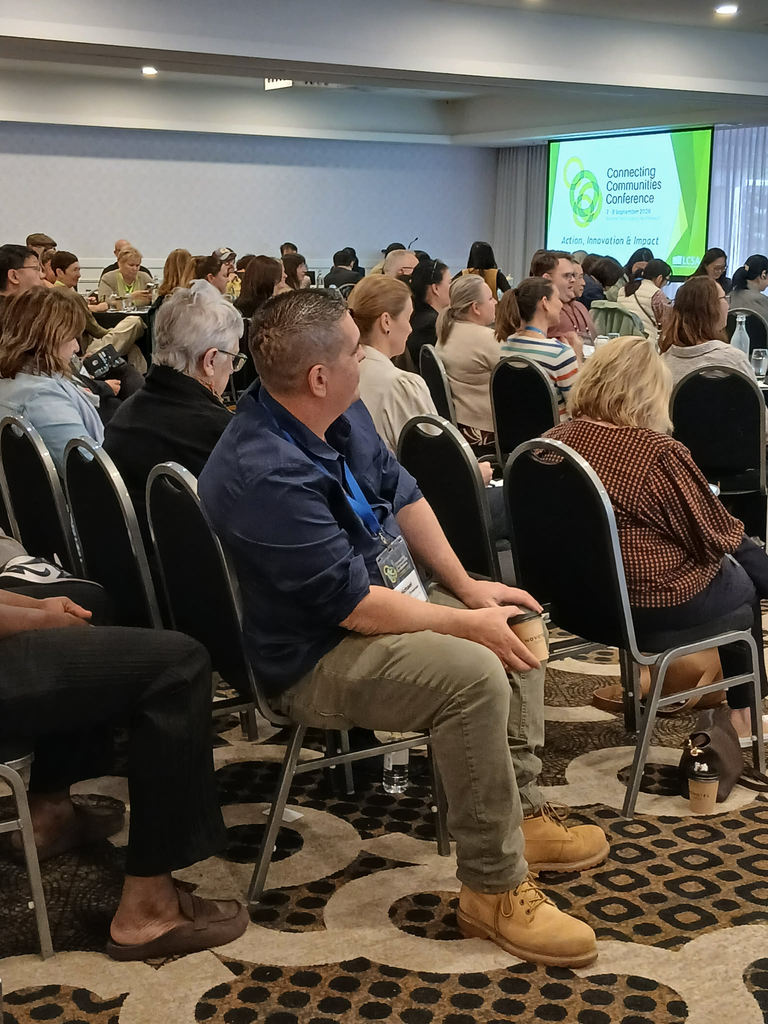
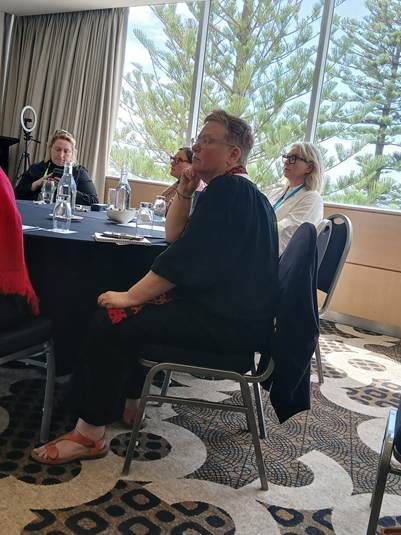
Conference participants listening during a session.  Photograph: Junias Kanyinda

This kind of listening is not passive. It requires attention, interpretation and responsibility. It means noticing patterns without flattening differences. Most importantly, listening changes the listener. If we have already decided what people need, we are not listening. We are waiting for confirmation.

Storytelling is more than visibility

Stories can reveal what a strategy document cannot. They show how policies are experienced, why opportunities remain inaccessible, where relationships are carrying the work and where systems are failing people. When individual stories are listened to together, they can reveal a pattern. That pattern can become shared understanding. Shared understanding can become a common position. A common position can support advocacy and collective action.

Listen → Hear the story → Understand the pattern → Build a shared voice → Organise → Act → Change the conditions

Ethical storytelling asks who owns the story, who benefits from its use, what context must remain, and whether the person or community can recognise themselves in what is eventually shared. Listening without response or return can become extraction.

From rescuing people to fixing the bridge

One image from the session has stayed with me: people repeatedly falling into a river while others keep pulling them out. Rescue matters when someone is in danger. But if people continue to fall, we must eventually ask what is happening upstream. Why are they falling? What keeps producing the same emergency? What would it take to repair the bridge?
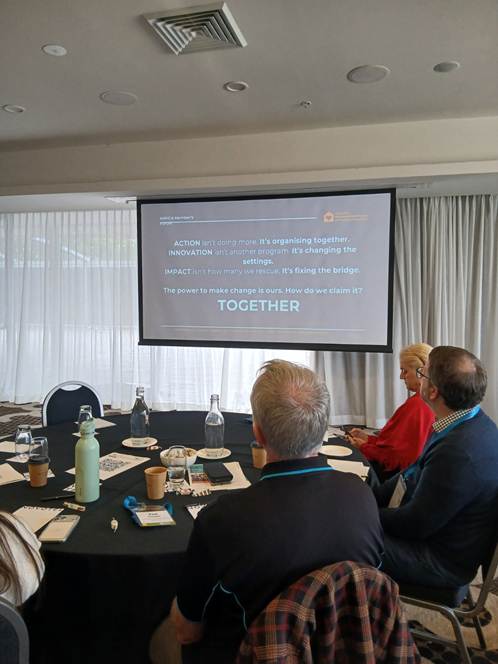
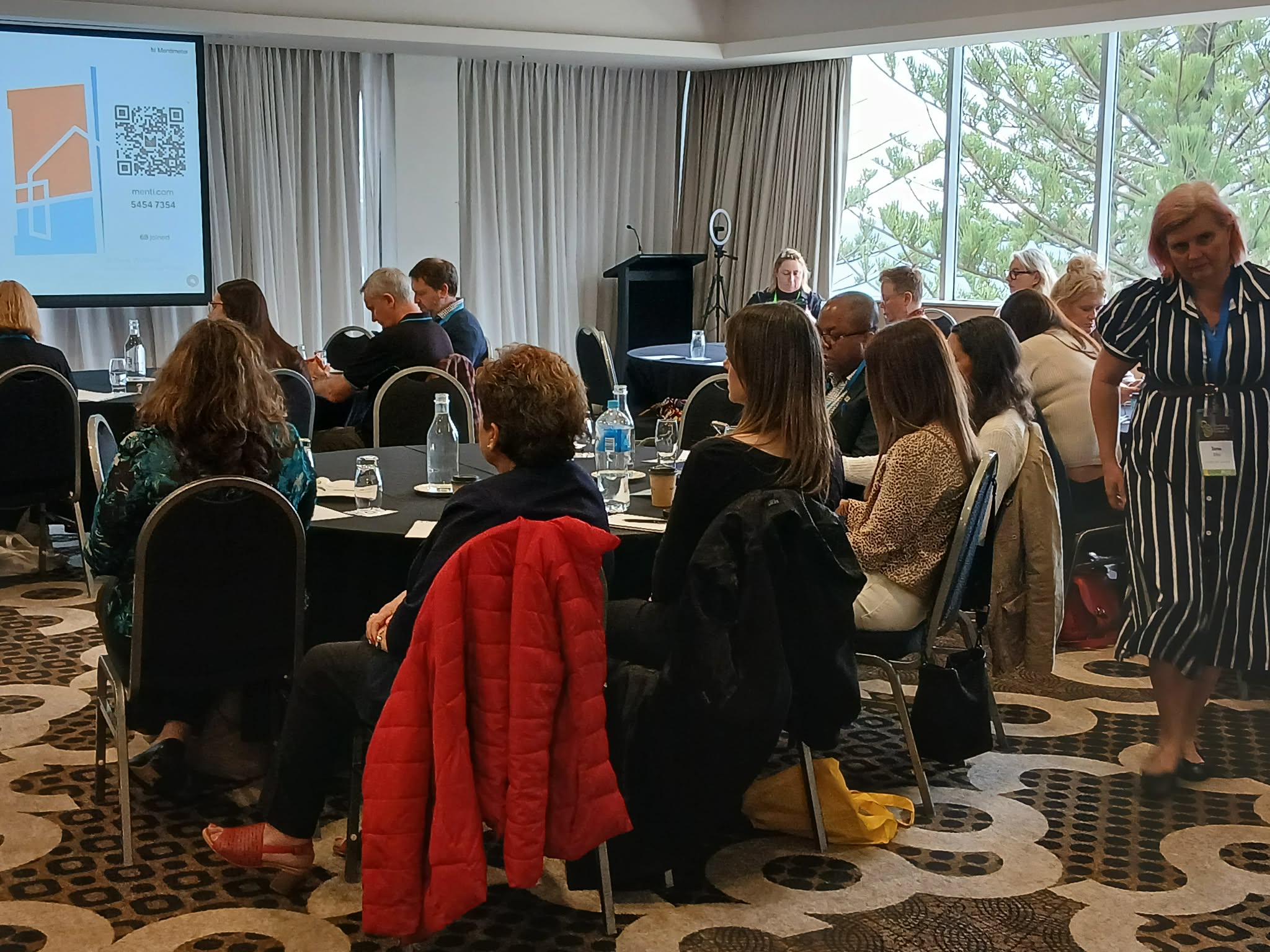
The session connected collective action with changing the conditions that produce recurring harm.  Photograph: Junias Kanyinda

Bonner offered a different understanding: action is not simply doing more; it is organising together. Innovation is not necessarily another programme; it can mean changing the conditions. Impact is not only the number of people rescued; it is also whether we are repairing the bridge.

Value must be able to travel

Networks and movements may already hold considerable value: relationships, knowledge, solidarity, international perspective, opportunities, identity and shared purpose. Yet that value does not automatically reach every member, practitioner or community. It must be recognised, articulated, translated into different realities, experienced through participation, documented and carried home.

Listen → Analyse → Connect → Activate → Document → Translate → Return

When the pathway breaks, value can remain trapped at one level. A representative may be inspired but unable to explain why the experience matters to colleagues. A powerful story may be heard but never influence action. A useful relationship may be formed but never connected to the wider organisation. The experience was real, but its value stopped travelling.

Bringing it home

Perhaps every experience in a wider network should end with a few simple questions: What did I learn? Who did I connect with? Why does this matter in my own context? Who else needs to know? What could happen next? What local knowledge should travel back into the wider network?

These questions turn attendance into translation. They help move an experience from the individual to the organisation, and from the organisation back to the wider network.

From practical value to belonging

People do not always enter networks because they already feel a sense of belonging. Often, they begin with something practical. They attend a conversation, meet someone working on a similar challenge, discover an idea or form a useful relationship. Relevance creates the reason to return. Relationships create trust. Trust creates the possibility of belonging.

Regional engagement creates relevance. Relevance creates relationships. Relationships create belonging. Belonging sustains movements.

What I am carrying home

This reflection is my own first test of Bring It Home. I am asking what I heard, why it matters to my work, who else might find it useful, what it could change, and what I now have a responsibility to carry forward.

Perhaps bridge-building is exactly this: helping stories, knowledge, relationships and possibilities travel between people and places that might otherwise remain separated.

We do not listen simply to collect stories. We listen so that people can recognise themselves in the work, find one another through it and organise together to change what needs to change.

Author note: Junias Kanyinda works in regional engagement, outreach and network development across the IFS Americas and Africa regional networks. This reflection was written during a professional visit to Australia in September 2026.

Similar Posts

  • Empowering Youth in Public Spaces: Upcoming Trainings You Can Join!

    EFS is proud to be part of the EU-funded project RE-ACT IN II – Young People in Public Space, coordinated by ARCS. This initiative brings together organisations across Europe and beyond to strengthen youth participation in shaping inclusive, accessible public spaces. As part of this project, partner organisations will host a series of online trainings…

  • Remembering Emily Menlo Marks: A Legacy of Advocacy and Support

    [et_pb_section fb_built=”1″ _builder_version=”4.16″ custom_padding=”20px|0px|0px|0px|false|false” top_divider_height_tablet=”” top_divider_height_phone=”” top_divider_height_last_edited=”on|desktop” bottom_divider_style=”arrow2″ bottom_divider_color=”#ffffff” bottom_divider_height=”45px” bottom_divider_arrangement=”above_content” bottom_divider_height_tablet=”35px” bottom_divider_height_phone=”25px” bottom_divider_height_last_edited=”on|phone” global_colors_info=”{}”][et_pb_row _builder_version=”4.16″ custom_padding=”0|0px|0|0px|true|false” global_colors_info=”{}”][et_pb_column type=”4_4″ _builder_version=”4.16″ custom_padding=”|||” global_colors_info=”{}” custom_padding__hover=”|||”][et_pb_post_title title=”off” meta=”off” featured_placement=”background” _builder_version=”4.16″ title_font=”||||||||” custom_padding=”12%||” custom_padding_tablet=”” custom_padding_phone=”” custom_padding_last_edited=”on|phone” global_colors_info=”{}”][/et_pb_post_title][/et_pb_column][/et_pb_row][/et_pb_section][et_pb_section fb_built=”1″ _builder_version=”4.16″ custom_margin=”0px||0px” custom_padding=”40px||100px” bottom_divider_style=”arrow3″ bottom_divider_color=”#DEDEDF” bottom_divider_height=”45px” bottom_divider_height_tablet=”35px” bottom_divider_height_phone=”25px” bottom_divider_height_last_edited=”on|desktop” global_colors_info=”{}”][et_pb_row make_equal=”on” _builder_version=”4.16″ custom_margin=”0px||0px” custom_padding=”0px||0px” global_colors_info=”{}”][et_pb_column type=”4_4″ _builder_version=”4.16″ custom_padding=”|||” global_colors_info=”{}” custom_padding__hover=”|||”][et_pb_post_title author=”off”…

  • “Get to know your board members” series : Staffan Lindqvist

    [et_pb_section fb_built=”1″ _builder_version=”3.23.3″ custom_padding=”20px|0px|0px|0px|false|false” top_divider_height_last_edited=”on|desktop” bottom_divider_style=”arrow2″ bottom_divider_color=”#ffffff” bottom_divider_height=”45px” bottom_divider_arrangement=”above_content” bottom_divider_height_tablet=”35px” bottom_divider_height_phone=”25px” bottom_divider_height_last_edited=”on|phone” fb_built=”1″ _i=”0″ _address=”0″][et_pb_row _builder_version=”3.25″ custom_padding=”0|0px|0|0px|true|false” _i=”0″ _address=”0.0″][et_pb_column type=”4_4″ _builder_version=”3.25″ custom_padding=”|||” custom_padding__hover=”|||” _i=”0″ _address=”0.0.0″][et_pb_post_title title=”off” meta=”off” featured_placement=”background” _builder_version=”3.21″ title_font=”||||||||” custom_padding=”12%||” custom_padding_last_edited=”on|phone” _i=”0″ _address=”0.0.0.0″][/et_pb_post_title][/et_pb_column][/et_pb_row][/et_pb_section][et_pb_section fb_built=”1″ _builder_version=”3.23.3″ custom_margin=”0px||0px” custom_padding=”40px||100px” bottom_divider_style=”arrow3″ bottom_divider_color=”#DEDEDF” bottom_divider_height=”45px” bottom_divider_height_tablet=”35px” bottom_divider_height_phone=”25px” bottom_divider_height_last_edited=”on|desktop” fb_built=”1″ _i=”1″ _address=”1″][et_pb_row make_equal=”on” _builder_version=”3.25″ custom_margin=”0px||0px” custom_padding=”0px||0px” _i=”0″ _address=”1.0″][et_pb_column type=”4_4″ _builder_version=”3.25″…

  • EU Funds Training: Apply now to Empower your European Project Development

    [et_pb_section fb_built=”1″ _builder_version=”4.16″ custom_padding=”20px|0px|0px|0px|false|false” top_divider_height_tablet=”” top_divider_height_phone=”” top_divider_height_last_edited=”on|desktop” bottom_divider_style=”arrow2″ bottom_divider_color=”#ffffff” bottom_divider_height=”45px” bottom_divider_arrangement=”above_content” bottom_divider_height_tablet=”35px” bottom_divider_height_phone=”25px” bottom_divider_height_last_edited=”on|phone” global_colors_info=”{}”][et_pb_row _builder_version=”4.16″ custom_padding=”0|0px|0|0px|true|false” global_colors_info=”{}”][et_pb_column type=”4_4″ _builder_version=”4.16″ custom_padding=”|||” global_colors_info=”{}” custom_padding__hover=”|||”][et_pb_post_title title=”off” meta=”off” featured_placement=”background” _builder_version=”4.16″ title_font=”||||||||” custom_padding=”12%||” custom_padding_tablet=”” custom_padding_phone=”” custom_padding_last_edited=”on|phone” global_colors_info=”{}”][/et_pb_post_title][/et_pb_column][/et_pb_row][/et_pb_section][et_pb_section fb_built=”1″ _builder_version=”4.16″ custom_margin=”0px||0px” custom_padding=”40px||100px” bottom_divider_style=”arrow3″ bottom_divider_color=”#DEDEDF” bottom_divider_height=”45px” bottom_divider_height_tablet=”35px” bottom_divider_height_phone=”25px” bottom_divider_height_last_edited=”on|desktop” global_colors_info=”{}”][et_pb_row make_equal=”on” _builder_version=”4.16″ custom_margin=”0px||0px” custom_padding=”0px||0px” global_colors_info=”{}”][et_pb_column type=”4_4″ _builder_version=”4.16″ custom_padding=”|||” global_colors_info=”{}” custom_padding__hover=”|||”][et_pb_post_title author=”off”…

  • Localising the SDGs: A community led approach to global issues Webinar 1

    [et_pb_section fb_built=”1″ _builder_version=”3.23.3″ custom_padding=”20px|0px|0px|0px|false|false” top_divider_height_last_edited=”on|desktop” bottom_divider_style=”arrow2″ bottom_divider_color=”#ffffff” bottom_divider_height=”45px” bottom_divider_arrangement=”above_content” bottom_divider_height_tablet=”35px” bottom_divider_height_phone=”25px” bottom_divider_height_last_edited=”on|phone” fb_built=”1″ _i=”0″ _address=”0″][et_pb_row _builder_version=”3.25″ custom_padding=”0|0px|0|0px|true|false” _i=”0″ _address=”0.0″][et_pb_column type=”4_4″ _builder_version=”3.25″ custom_padding=”|||” custom_padding__hover=”|||” _i=”0″ _address=”0.0.0″][et_pb_post_title title=”off” meta=”off” featured_placement=”background” _builder_version=”3.21″ title_font=”||||||||” custom_padding=”12%||” custom_padding_last_edited=”on|phone” _i=”0″ _address=”0.0.0.0″][/et_pb_post_title][/et_pb_column][/et_pb_row][/et_pb_section][et_pb_section fb_built=”1″ _builder_version=”3.23.3″ custom_margin=”0px||0px” custom_padding=”40px||100px” bottom_divider_style=”arrow3″ bottom_divider_color=”#DEDEDF” bottom_divider_height=”45px” bottom_divider_height_tablet=”35px” bottom_divider_height_phone=”25px” bottom_divider_height_last_edited=”on|desktop” fb_built=”1″ _i=”1″ _address=”1″][et_pb_row make_equal=”on” _builder_version=”3.25″ custom_margin=”0px||0px” custom_padding=”0px||0px” _i=”0″ _address=”1.0″][et_pb_column type=”4_4″ _builder_version=”3.25″…

  • Introducing our Latest Newsletter: IFS Global Newsletter May 2023

    [et_pb_section fb_built=”1″ _builder_version=”4.16″ custom_padding=”20px|0px|0px|0px|false|false” top_divider_height_tablet=”” top_divider_height_phone=”” top_divider_height_last_edited=”on|desktop” bottom_divider_style=”arrow2″ bottom_divider_color=”#ffffff” bottom_divider_height=”45px” bottom_divider_arrangement=”above_content” bottom_divider_height_tablet=”35px” bottom_divider_height_phone=”25px” bottom_divider_height_last_edited=”on|phone” global_colors_info=”{}”][et_pb_row _builder_version=”4.16″ custom_padding=”0|0px|0|0px|true|false” global_colors_info=”{}”][et_pb_column type=”4_4″ _builder_version=”4.16″ custom_padding=”|||” global_colors_info=”{}” custom_padding__hover=”|||”][et_pb_post_title title=”off” meta=”off” featured_placement=”background” _builder_version=”4.16″ title_font=”||||||||” custom_padding=”12%||” custom_padding_tablet=”” custom_padding_phone=”” custom_padding_last_edited=”on|phone” global_colors_info=”{}”][/et_pb_post_title][/et_pb_column][/et_pb_row][/et_pb_section][et_pb_section fb_built=”1″ _builder_version=”4.16″ custom_margin=”0px||0px” custom_padding=”40px||100px” bottom_divider_style=”arrow3″ bottom_divider_color=”#DEDEDF” bottom_divider_height=”45px” bottom_divider_height_tablet=”35px” bottom_divider_height_phone=”25px” bottom_divider_height_last_edited=”on|desktop” global_colors_info=”{}”][et_pb_row make_equal=”on” _builder_version=”4.16″ custom_margin=”0px||0px” custom_padding=”0px||0px” global_colors_info=”{}”][et_pb_column type=”4_4″ _builder_version=”4.16″ custom_padding=”|||” global_colors_info=”{}” custom_padding__hover=”|||”][et_pb_post_title author=”off”…