Meet the IFS Board
Member-Led Global Governance
IFS Global Network is governed by an elected Board drawn from the Federation’s international membership.
Board members contribute their experience, regional perspectives and knowledge of locally rooted community work. Together, they provide strategic direction, financial oversight and organisational accountability while supporting the mission, values and long-term development of IFS.
The Board works with IFS members, regional networks, working groups, the rotating host office and staff team to maintain a connected, representative and sustainable global federation.
How IFS Is Governed
IFS is a member-led federation guided by its governing documents, Strategic Plan and priorities agreed through its membership and governance processes.
Formal General Meeting
A formal General Meeting is held every two years.
At the General Meeting, eligible members exercise their formal governance rights, including electing Board members and considering matters reserved for the membership under the IFS governing documents.
International Conference and Gathering
In the years between formal General Meetings, IFS seeks to bring members together through an international conference or gathering.
These gatherings provide opportunities for members, Associate Members, regional networks, working groups, practitioners and community leaders to:
- build international relationships
- exchange knowledge and community-based practice
- explore shared global challenges
- strengthen regional and cross-regional cooperation
- contribute ideas to the future direction of IFS
- connect the Strategic Plan with the experience of locally rooted organisations
The international conference or gathering supports participation, learning and connection. It is distinct from the formal General Meeting unless an official governance meeting is specifically convened as part of the event.
Regular Member Meetings
IFS holds regular member meetings between formal General Meetings and international conferences.
These meetings help members remain informed, connected and involved in the Federation’s work. They may include:
- updates from the Board, Executive Committee and host office
- reports from regional networks and working groups
- discussion of current activities and emerging priorities
- opportunities for members to share knowledge and raise issues
- consultation on plans, projects and advocacy
- updates on progress against the IFS Strategic Plan
- opportunities for collaboration across countries and regions
Regular member meetings support transparency, communication and participation throughout the governance cycle.
Board Composition and Representation
Board members are elected for four-year terms through a staggered rotation. This supports continuity and retained organisational knowledge while providing regular opportunities for members to elect new representatives.
Where permitted by the IFS governing documents, the Board may co-opt additional members when required. Co-option may be used to fill a vacancy, address an identified skills gap or strengthen representation until the next formal election process.
IFS strives to maintain a Board that reflects the diversity and international reach of the Federation.
In considering Board composition, IFS seeks an appropriate balance of:
- professional knowledge and governance skills
- community-sector and organisational experience
- cultural and linguistic backgrounds
- geographic and regional representation
- gender and lived experience
- experience of settlement houses, neighbourhood houses, neighbourhood centres, community centres, community organisations and representative networks
- knowledge of finance, governance, advocacy, membership, communications and organisational development
No individual Board member is expected to represent every organisation or perspective within their region. Collectively, however, the Board aims to bring together diverse knowledge, experience and perspectives from across the global network.
All Board members share responsibility for governing IFS as a whole and acting in the best interests of the Federation, while remaining informed by the experiences of members, regional networks and communities.
The Role of the Board
The elected Board provides governance, strategic direction, financial oversight and organisational accountability between formal General Meetings.
The Board ordinarily meets four times each year, with additional meetings held when required. At least one Board meeting each year is held in person, supporting deeper discussion, relationship-building and collective planning among Board members.
Its responsibilities include:
- safeguarding the mission, values and long-term interests of IFS
- overseeing implementation of the IFS Strategic Plan
- monitoring organisational performance, finances and risk
- supporting effective and inclusive member participation
- ensuring compliance with governance and legal responsibilities
- overseeing executive leadership and host-office arrangements
- maintaining accountability to the membership
- ensuring that IFS remains responsive to its members and international context
The Executive Committee
The Executive Committee consists of Board officeholders who undertake delegated governance responsibilities between full Board meetings.
Its role is to:
- support preparation for Board meetings and decisions
- monitor the implementation of Board-approved directions
- respond to urgent governance matters within its delegated authority
- support financial and organisational oversight
- maintain communication between the Board and executive leadership
- report its decisions and activities to the full Board
The Executive Committee remains accountable to the Board. It does not replace the authority of the full Board or the formal decision-making rights of the membership.
Regional Networks and Working Groups
IFS regional networks and working groups provide important pathways for members and Associate Members to participate in the Federation’s work.
Their activities are guided by the IFS Strategic Plan and agreed organisational priorities. They contribute regional knowledge, specialist expertise, member experience and practical recommendations to the wider network.
Regional networks and working groups may:
- connect members around shared regional or thematic interests
- organise meetings, learning activities and exchanges
- identify issues requiring regional or international attention
- develop projects, resources and collaborative initiatives
- contribute to IFS advocacy and international engagement
- provide advice and recommendations to the Board
- report on activities, emerging priorities and member participation
Regional networks and working groups do not replace the governance authority of the Board or formal member decision-making. They strengthen participation and help ensure that IFS strategy and activities remain informed by members and communities.
Governance and Operations
The Board provides governance, strategic direction and oversight.
The Executive Director, rotating host office and staff team support the Federation’s daily operations and implement directions approved through IFS governance processes.
Responsibility for hosting the IFS office rotates between member organisations. A host organisation provides staff, systems, infrastructure and organisational support for an agreed period, helping sustain the Federation’s international operations while keeping IFS connected to its membership.
Additional staff and specialist support may be contributed, contracted or funded through IFS member organisations and partner arrangements in different countries.
Members shape the Federation. The Board governs it. Regional networks and working groups inform and strengthen its work. The host office and staff team support implementation.
The IFS Governance and Participation Cycle
The IFS governance and participation cycle brings together:
- a formal General Meeting every two years, where eligible members exercise their governance rights
- an international conference or gathering in the alternate years, focused on connection, learning and cooperation
- regular member meetings, supporting communication and participation throughout the year
- regional networks and working groups, contributing regional knowledge and specialist expertise
- the elected Board, providing governance and oversight between General Meetings
- the Executive Committee, undertaking delegated governance responsibilities between Board meetings
- the rotating host office and staff team, supporting daily operations and implementation
Meet the Board
The Board includes elected officeholders and members from across the IFS Global Network.
Each Board member contributes their experience, knowledge and commitment to the collective governance of the Federation.
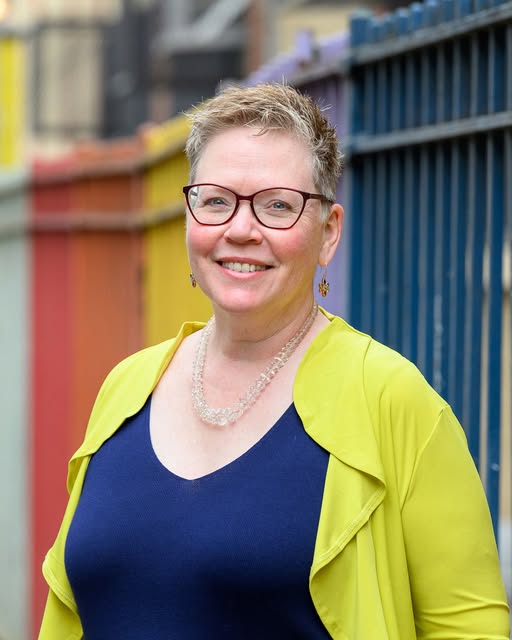
Melissa Aase
President, International Federation of Settlements and Neighbourhood Centres (IFS)
Melissa Aase serves as the President of the IFS Board, bringing more than 30 years of leadership and community advocacy experience. As the CEO of University Settlement Society in New York City, Melissa is committed to fostering equity, inclusion, and growth within diverse communities. Her visionary leadership aims to strengthen local impact and connect it globally, aligning with IFS’s mission to empower communities and promote equality.
Allison Wallace
IFS Treasurer
Allison L. E. Wallace serves as Treasurer and Board Member for the International Federation of Settlements and Neighbourhood Centres (IFS). In this role, she applies her financial and operational expertise to advance IFS’s mission of fostering social justice and community development globally. As Executive Director of the Greater Cleveland Neighborhood Centers Association (NCA), she oversees finance and strategic planning for U.S. community organisations. Bridging local initiatives with global advocacy, Wallace notably hosted the IFS Annual In-Person Board Meeting 2024 in Cleveland. Her dedication ensures fiscal sustainability.
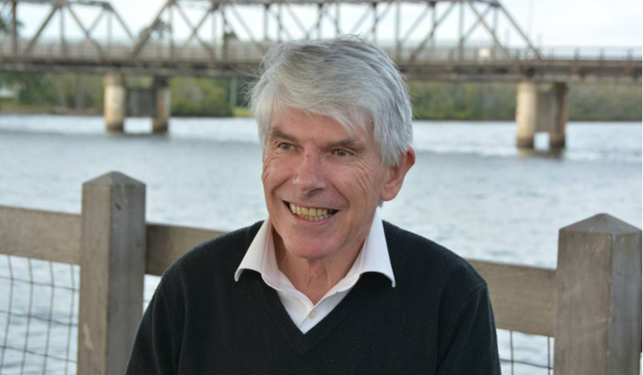
Paul Sekfy JP
IFS Secretary
Paul Sekfy JP serves as Secretary for the International Federation of Settlements and Neighbourhood Centres (IFS), leveraging decades of experience in community services and governance. Based in New South Wales, Australia, Paul has worked in roles spanning youth work, community arts, aged care, and regional development since the late 1970s. He is deeply committed to social justice, affordable housing advocacy, and community development. Paul also holds executive roles with local and national organisations, including the Local Community Services Association (LCSA) and Australian Neighbourhood Houses and Centres Association (ANHCA). His leadership strengthens IFS’s mission to empower communities worldwide.
