IFS and the United Nations
Connecting community knowledge with global conversations
Bringing Community Perspectives to the United Nations
IFS Global Network holds general consultative status with the United Nations Economic and Social Council, known as ECOSOC.
This status gives IFS opportunities to bring the knowledge and experience of settlement houses, neighbourhood houses, neighbourhood centres, community centres, community organisations and their representative networks into relevant United Nations discussions.
Through its United Nations Working Group and accredited representatives, IFS supports members to understand United Nations processes, contribute community perspectives and connect locally rooted work with international advocacy.
General consultative status enables eligible IFS representatives to attend certain United Nations meetings and conferences, submit written statements, make oral presentations, organise related events and engage with civil-society networks. IFS participates as a non-government organisation and does not vote in United Nations decision-making
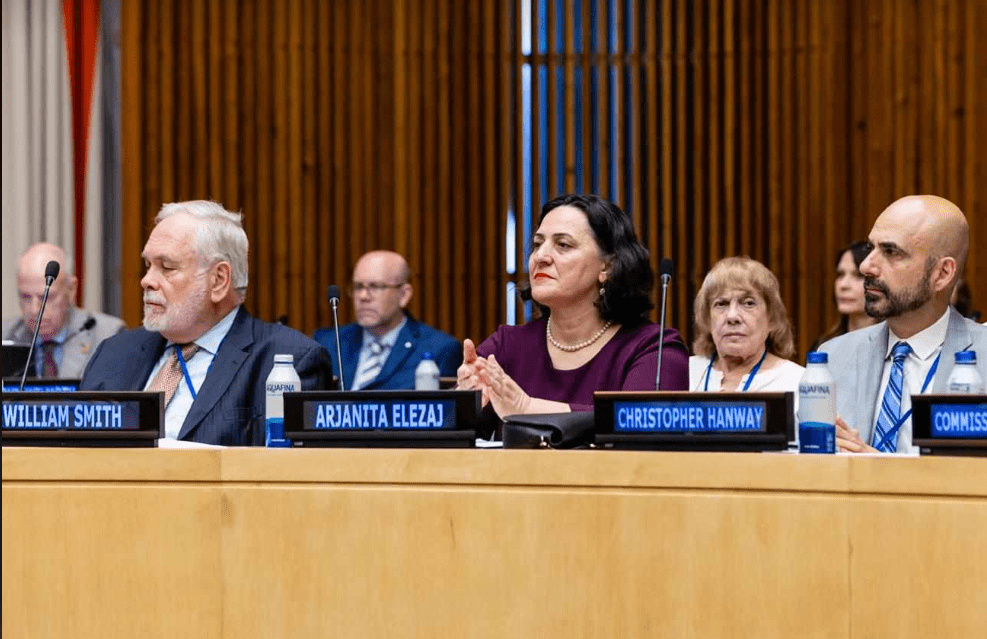
The IFS United Nations Working Group
The IFS United Nations Working Group connects members and representatives interested in international advocacy, human rights, social justice and sustainable development.
The Working Group helps coordinate IFS engagement with the United Nations and supports communication between accredited representatives, IFS members, regional networks and the wider Federation.
Its activities may include:
- monitoring relevant United Nations discussions and opportunities
- sharing information with IFS members and regional networks
- contributing community perspectives to international advocacy
- participating in appropriate United Nations meetings and events
- developing statements, submissions and educational resources
- working with civil-society and non-government organisation committees
- supporting IFS members to understand United Nations structures and processes
- connecting local and regional priorities with relevant global frameworks
- identifying opportunities for members to contribute expertise and experience
The Working Group provides a pathway for the experience of locally rooted organisations to inform IFS participation in international discussions.
What General Consultative Status Means
General consultative status is one of the formal arrangements through which non-government organisations can contribute to the work of the United Nations Economic and Social Council.
IFS’s status provides opportunities to:
- attend eligible United Nations meetings, conferences and events
- submit written contributions and make oral presentations
- organise and participate in related events
- connect with United Nations bodies and civil-society organisations
- contribute community-based knowledge to relevant global discussions
- support awareness, education and advocacy on international issues
- help members understand how local work connects with global frameworks
Consultative status does not give IFS decision-making or voting authority within the United Nations. Its role is to contribute knowledge, experience, community perspectives and advocacy as a non-government organisation
Through this meaningful partnership, we strengthen our commitment to fostering a just and sustainable world, ensuring that the needs of local communities are represented on a global stage.
How IFS Members Can Work With the United Nations
Download the practical guide to ECOSOC, consultative status, NGO committees and opportunities for IFS member participation.
Read more below
From Local Experience to Global Advocacy
Community Knowledge and Global Participation
IFS brings practical knowledge, grounded in the experience of settlement houses, neighbourhood centres, community centres and community organisations, into eligible United Nations discussions, civil society forums and related events.
Collective Advocacy and Shared Learning
IFS members and regional networks contribute to shared positions on social justice, human rights, inclusion and sustainable community development. The United Nations Working Group also helps members understand relevant global frameworks and share international developments across the network.
Partnerships and International Solidarity
FS works with non-government organisations, civil-society networks and international partners on areas of shared concern, connecting locally rooted experience with wider advocacy, cooperation and international solidarity.
IFS United Nations News and Advocacy
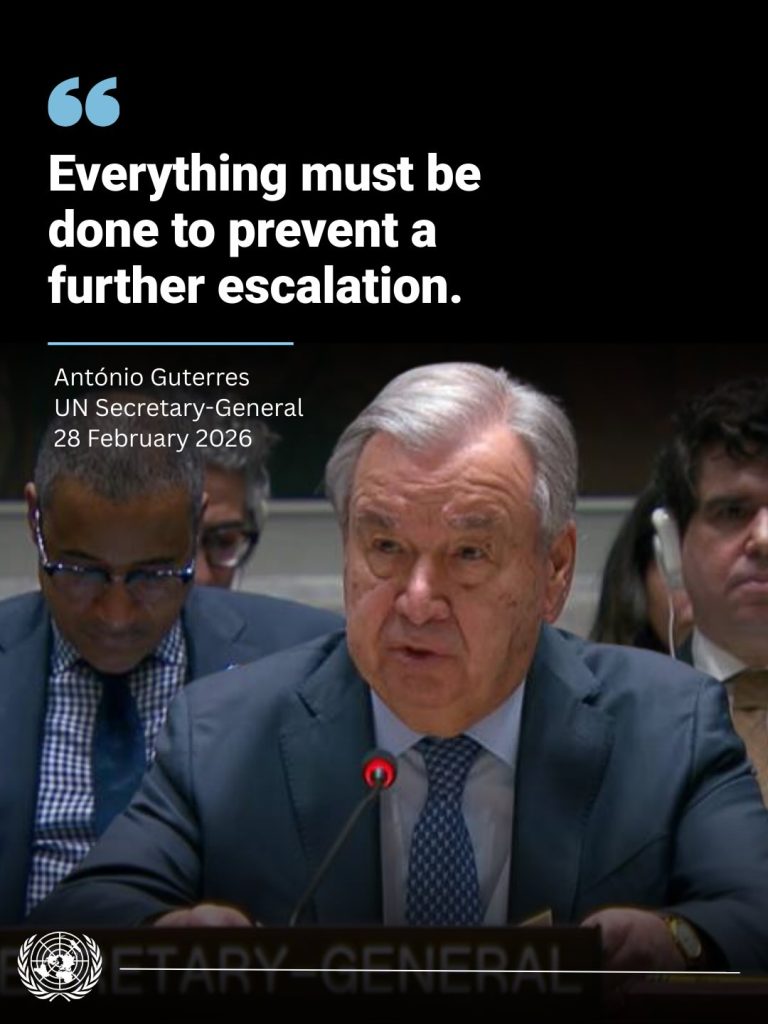
International Federation of Settlements Calls for Civilian Protection Amid Escalating Regional Conflict

Who Decides? Shaping Human Rights for People with Dementia
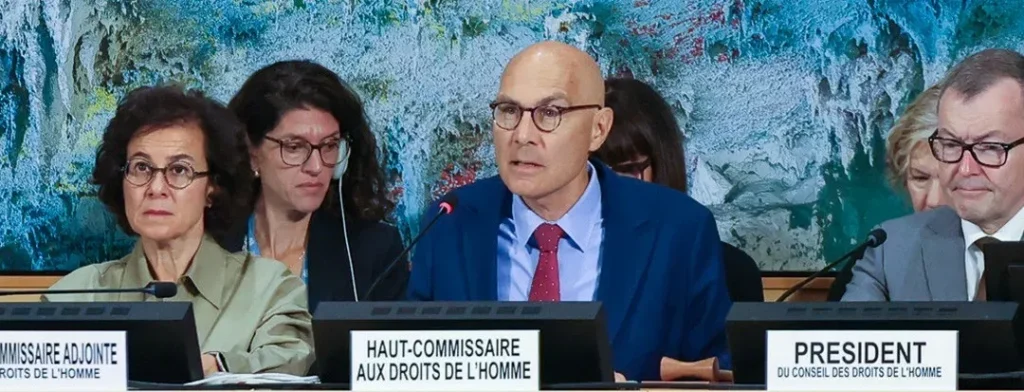
Human Rights, Social Justice, and Community Work
Invitation to Celebrate the 75th Anniversary of the Human Rights Declaration

UN International Day of Older Persons: Celebrating Across Generations

United Nations International Day of Older Person – Join Us
United Nations Working Group Leadership
The IFS United Nations Working Group is led by members who contribute their knowledge, experience and time to strengthening IFS engagement with the United Nations and international civil society.
The Working Group supports coordination between IFS representatives, members, regional networks and the wider Federation.
Bobbi Nassar
Co-Lead, IFS United Nations Working Group
Email: bobbinassar@yahoo.com
Christopher Hanway
Co-Lead, IFS United Nations Working Group
Email: chanway@riissettlement.org
Ariana Elezaj
Co-Lead, IFS United Nations Working Group
Email: aelezaj452@gmail.com
Members interested in international advocacy, human rights, social justice and sustainable development are encouraged to contact the Working Group leadership to learn more about participating
