Building Connections Across Borders: The 2026 Berlin International Exchange
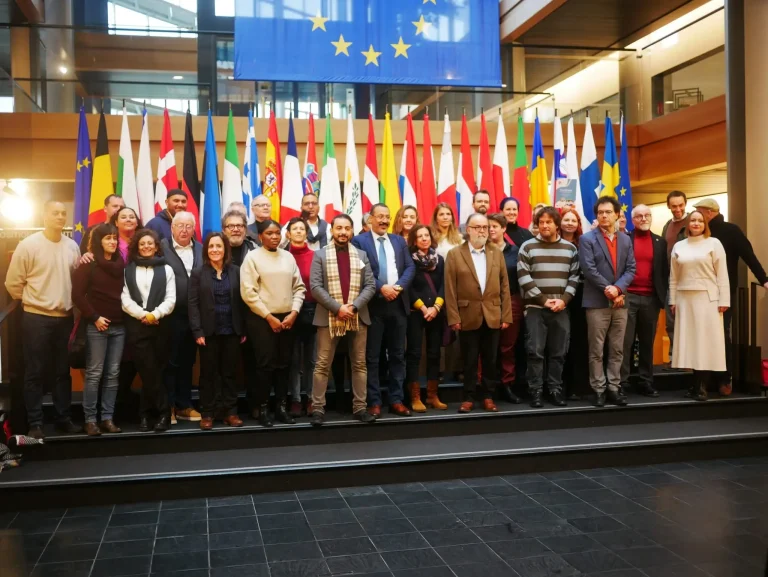
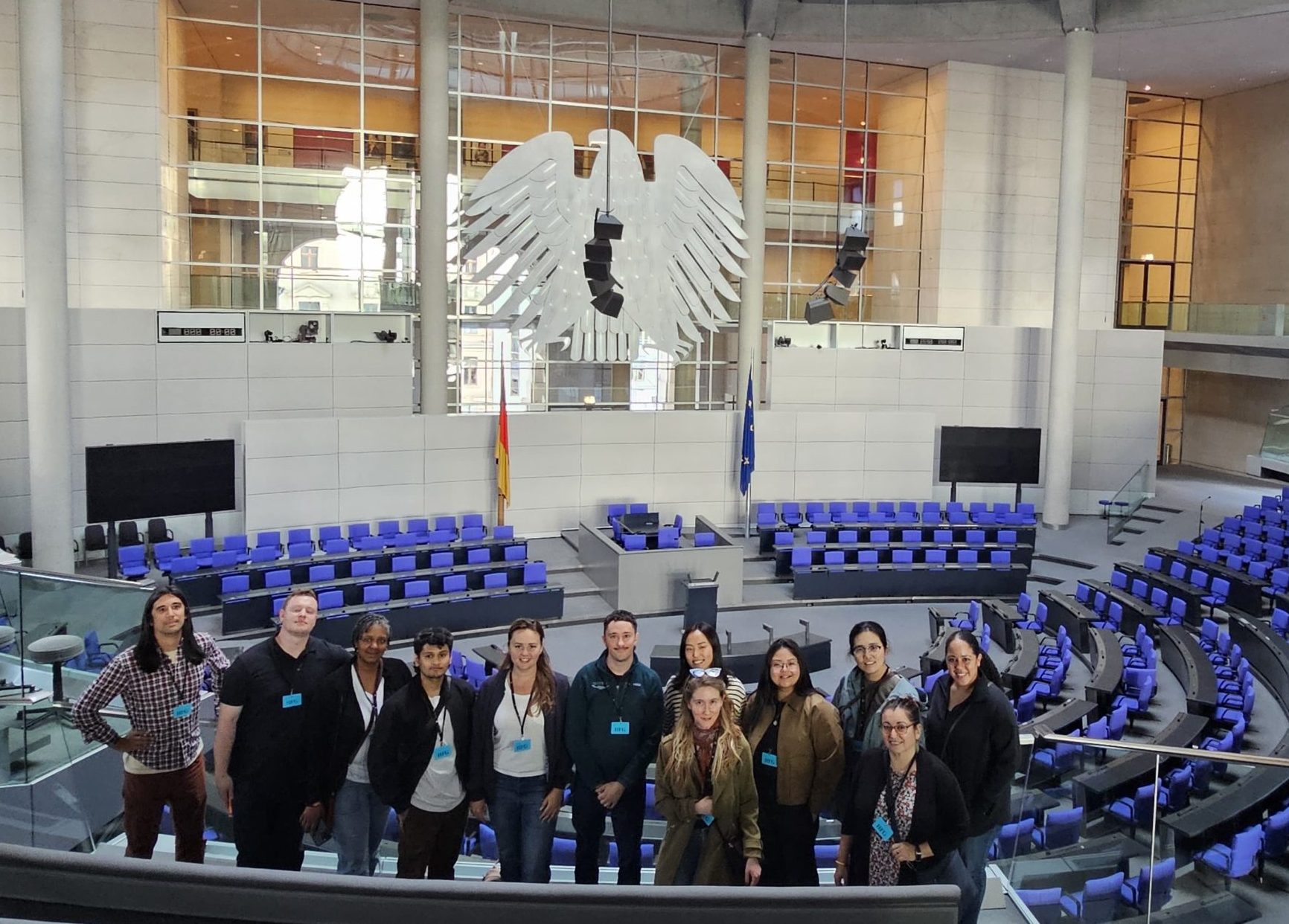
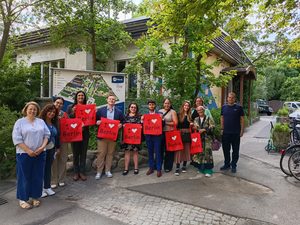
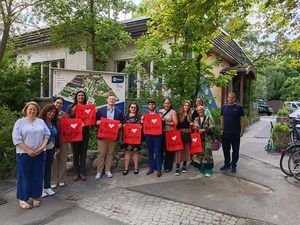
In June 2026, community, neighbourhood, child and youth sector leaders from Australia, Canada, the United States and Germany came together in Berlin for an international professional exchange exploring advocacy, youth work, community development, civic participation and social inclusion.
While international exchanges have long been a valued part of the settlement house, neighbourhood centre and community development movement, the Berlin Exchange provided a contemporary opportunity for practitioners to learn from one another, strengthen international relationships and explore how communities around the world are responding to shared challenges.
Hosted by Nachbarschafts- und Selbsthilfezentrum in der UFA-Fabrik (NUSZ) and supported by a network of German community organisations and partners, including Verband für sozial-kulturelle Arbeit e.V. (VskA), the exchange built on a series of previous international collaborations and reflected a shared commitment to learning across borders.
The host organisation’s initiative and effort, along with the support of participating organisations that invested in sending delegates to contribute, learn, and share their experiences, made the program possible.
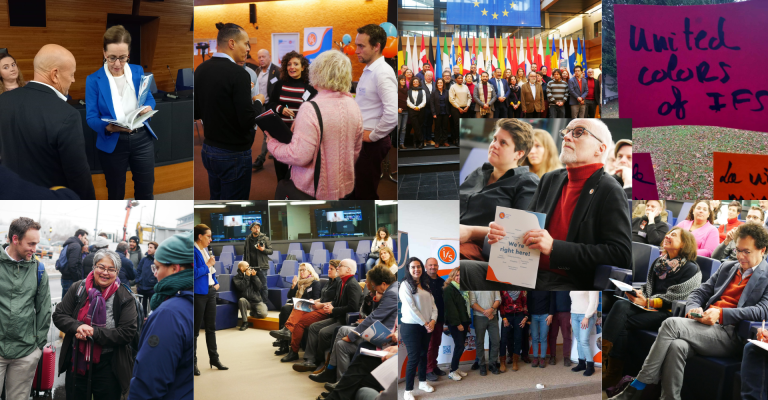
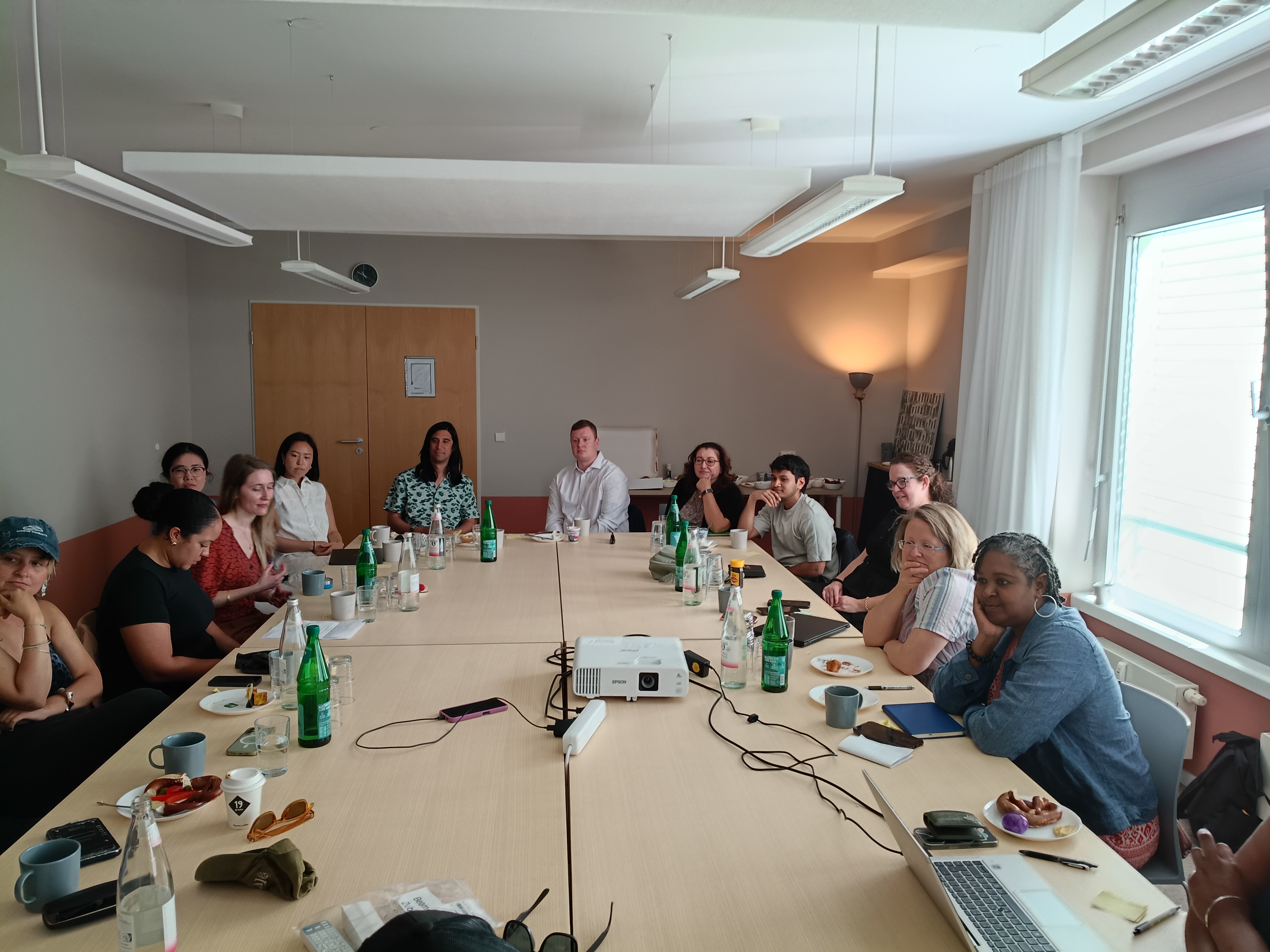
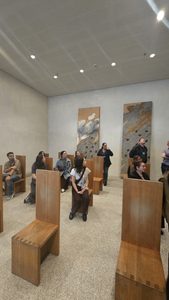
Rather than focusing on a single model or approach, the exchange created opportunities to explore how communities worldwide are responding to common challenges. Participants examined topics including youth participation, early childhood development, community advocacy, migrant inclusion, civic education, volunteer engagement and community-led action. Through site visits, discussions, workshops, and informal conversations, delegates were encouraged to think critically about their own work while learning from others’ experiences.
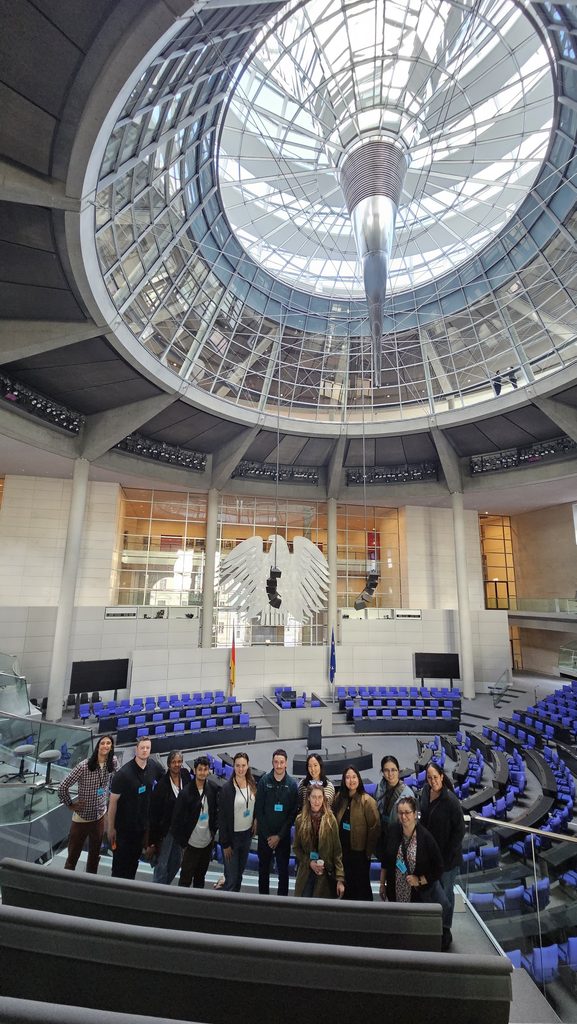
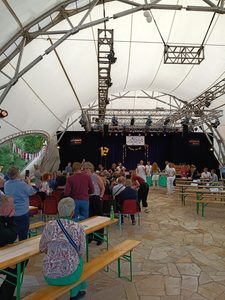
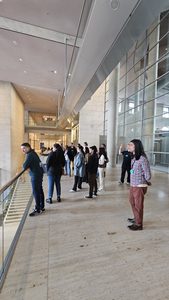
The program included visits to the German Bundestag, neighbourhood and youth centres across Berlin, workshops led by delegates from Australia, Canada and the United States, and discussions with leaders from community organisations, government and civil society. Participants also joined celebrations marking the 75th anniversary of Verband für sozial-kulturelle Arbeit e.V. (VskA), providing further opportunities for networking and exchange.
Learning Across Communities
One strength of the exchange was the opportunity to step outside familiar systems and explore how different communities approach similar issues.
Participants encountered a wide range of practices, organisational structures and funding environments. While approaches varied between countries, many found themselves returning to similar questions:
- How do we support meaningful participation?
- How do we strengthen community voice and leadership?
- How do we create spaces where people feel connected, valued and heard?
- How do we build stronger communities while responding to increasingly complex social challenges?
“The experience in Berlin was a powerful reinforcement of the settlement house commitment to a community-led, community-oriented approach—one where we act as true partners alongside local residents. I was deeply inspired by our hosts’ flexibility in letting community members take the lead to test new ideas and launch innovative programming. I’ve brought back fantastic insights from our peers across Europe, Canada, and Australia, and I can’t wait to put them into practice here on the Lower East Side.”
— Dr. Bing Ji, LCSW, Senior Program Director of Older Adults Programs, University Settlement (NYC)
The exchange reinforced that while policies, funding models and organisational structures may differ, the values underpinning community work often remain remarkably consistent.
Places to Belong
A recurring theme throughout the week was the importance of creating places where people can gather, connect and participate.
Many discussions centred on the role of neighbourhood centres, community organisations, youth services and local initiatives in fostering connection and belonging. Participants reflected on the importance of ensuring communities have accessible spaces where people can build relationships, share experiences, celebrate, learn and contribute.
As Australian delegate Lauren Stracey, CEO of Youth Action, reflected following the exchange:
“People need places to belong. And places to gather. Strong communities don’t happen by accident. They grow where people have opportunities to know each other, contribute, disagree respectfully, celebrate, share meals, solve problems and spend time together.”
Lauren Stracey, CEO Youth Action NSW
This theme resonated across conversations throughout the exchange and highlighted the critical role community-based organisations continue to play in building social connection and community wellbeing.
Advocacy, Participation and Leadership
The exchange was originally designed around the theme of advocacy in child, youth and community work. Participants explored how practitioners can build the skills, confidence and opportunities that enable people to become active participants in their communities and in broader civic life.
Discussions highlighted the importance of:
- community-led decision-making;
- youth participation and leadership;
- civic education and engagement;
- amplifying local voices;
- strengthening social inclusion; and
- creating pathways for people to contribute to change within their communities.
Across different contexts, delegates reflected on the importance of listening first, building trust and recognising that communities themselves often hold many of the answers to the challenges they face.
“The exchange was a remarkable experience that left me reimagining the work we do within our communities. Witnessing the advocacy efforts of agencies from around the world, the redefinition of purpose, and the intentional assessments being conducted to identify and address community gaps was truly inspiring.
Everyone I met was incredibly passionate about their roles and responsibilities, and it was refreshing to see the genuine commitment to creating meaningful change. I am also grateful that the connections made during the exchange continue to be maintained through email and group chats, allowing us to continue sharing ideas, experiences, and opportunities beyond the exchange.”
Cheyenne Salmon, Supervisor of Youth Programs, Waterfront Neighbourhood Centre
The Value of International Exchange
For many participants, one of the most valuable aspects of the program was the opportunity to connect with colleagues from different countries who shared similar values and aspirations.
The exchange provided something often difficult to find within the pace of everyday work: time to learn, reflect and build relationships.
Participants described the experience as an opportunity to test assumptions, gain new perspectives, share practical ideas and deepen their understanding of how community work contributes to broader social change.
The relationships established throughout the week also created opportunities for ongoing collaboration and mutual support, extending the value of the exchange well beyond the program itself.
Several participants also reflected on the value of gaining a deeper understanding of the global settlement house, neighbourhood centre and community development movement. For many, the exchange reassured them that practitioners across different countries are grappling with similar challenges, pursuing similar goals, and developing innovative responses within their own communities.
Participants spoke about feeling less isolated in their work and energised by knowing others around the world share their values and commitment to community-led change. Connecting with peers facing similar opportunities and challenges renewed their sense of purpose and motivation to continue the work at home.
As one participant described it, the exchange was simply “life changing”; a sentiment that has frequently emerged from international exchange programs over many years.
Looking Ahead
As communities continue to navigate complex social, economic and environmental challenges, opportunities for international learning and collaboration remain important.
The Berlin Exchange demonstrated the value of bringing practitioners together to share experiences, explore different approaches and strengthen relationships across countries and cultures. While each participant returned home to a unique local context, many left with renewed energy, fresh perspectives and new connections that will continue to inform their work.
Participants have also identified opportunities for future collaboration, continued knowledge sharing and deeper engagement across the International Federation of Settlements and Neighbourhood Centres (IFS) network.
“Having participated in several international exchanges, I continue to be struck by how transformative they can be. Again and again, participants describe these experiences as life-changing because they expand perspectives, challenge assumptions and create lasting relationships across countries and cultures.
For many, one of the most important outcomes is the realisation that they are part of a worldwide community of practitioners committed to social connection, participation and community wellbeing. That sense of belonging to something bigger often becomes the fuel that sustains the work long after the exchange has ended.”
Michael Mackenzie Shreenan
IFS Operations Manager (LCSA)
Acknowledgements
The success of the 2026 Berlin International Exchange reflects the commitment of community organisations and practitioners who continue to invest in learning from one another across borders.
Special thanks to Patrick Pesch, Nachbarschafts- und Selbsthilfezentrum in der UFA-Fabrik (NUSZ), Verband für sozial-kulturelle Arbeit e.V. (VskA), and the many German hosts, facilitators, volunteers, EFS, and partner organisations who contributed their time, knowledge, and hospitality throughout the week.
The exchange also depended on the support of participating organisations across Australia, Canada and the United States, which invested in their staff and leaders by enabling them to participate, share their experiences and bring new insights back to their communities.
“We are delighted to have been able to serve as a place for connection and exchange, which we see as our core mission, both within our neighborhoods in Berlin and in collaboration with community centers around the world. Challenging times call for cross-border partnerships with a clear focus on social cohesion. In many parts of the world, community bonds are weakening, making it more important than ever to come together and share ideas on how to address isolation, social fragmentation, and loneliness. By learning from one another and working together, we can strengthen communities and create a greater sense of belonging for all.”
Sarah Maria Soldanski CEO (Geschäftsführung) of the Nachbarschafts- und Selbsthilfezentrum in der ufaFabrik e.V..
For many years, international exchanges like this have quietly connected community practitioners across countries, creating opportunities to learn from different approaches, build lasting relationships, and strengthen local practice. The Berlin Exchange is part of a much longer tradition of collaboration within the settlement house, neighbourhood centre and community development movement. While this work is not new, there is growing recognition that its impacts deserve greater visibility. By sharing stories, reflections and lessons from the Berlin Exchange, we hope to amplify the value of international learning, strengthen connections across the IFS global network, and encourage future self-organised, member-to-member opportunities for collaboration in support of stronger communities worldwide.
Resources and Participant Reflections
Additional reflections, articles, presentations, photos and resources will be added as they become available.
Further Reading
- NUSZ: 2026 Fachkräfteaustausche mit USA/Kanada/Australien
https://nusz.de/2026-fachkraefteaustausche-mit-usa-kanada-australien/ - Verband für sozial-kulturelle Arbeit e.V. (VskA) website