IFS Africa Regional Network
IFS Africa is the regional network of IFS Global Network, connecting settlement houses, neighbourhood houses, neighbourhood centres, community centres, community organisations, and the federations, associations and networks that represent them across Africa.
The network brings together community practitioners, civil-society organisations, researchers and community leaders committed to locally led development, social justice, human rights and stronger, more inclusive communities.
IFS Africa creates opportunities for members to build relationships across countries, exchange community-based knowledge and strengthen cooperation on shared regional priorities. These priorities may include community development, poverty and inequality, migration, informal settlements, climate resilience, social inclusion, community health, human rights and participatory local governance.
Through regional meetings, learning activities and collaborative initiatives, IFS Africa supports members to share practice, develop partnerships and promote community-led responses to local and regional challenges.
As part of the wider IFS Global Network, IFS Africa also helps bring African knowledge, experience and community perspectives into international discussions and cross-regional collaboration.
Our Regional Purpose
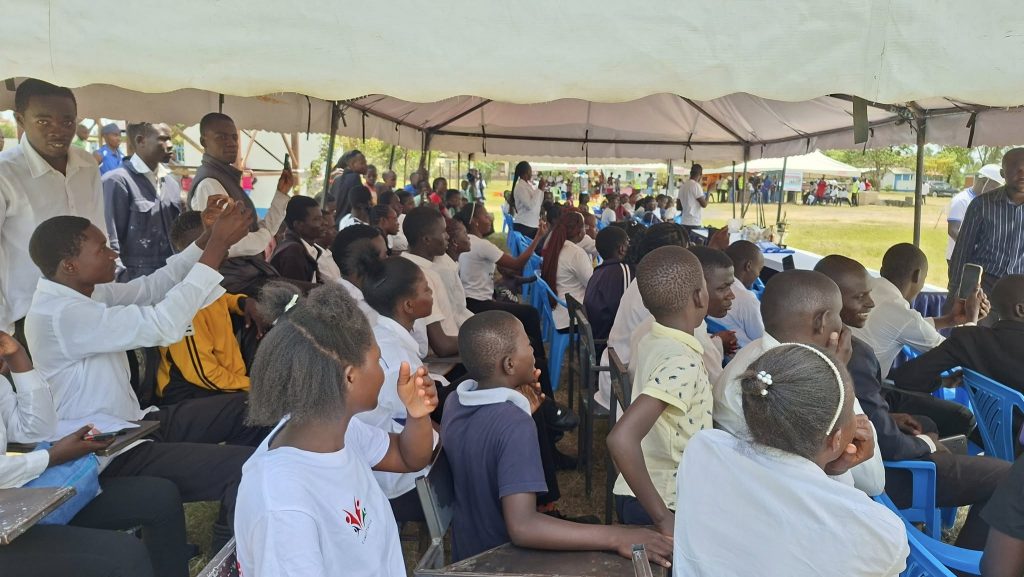
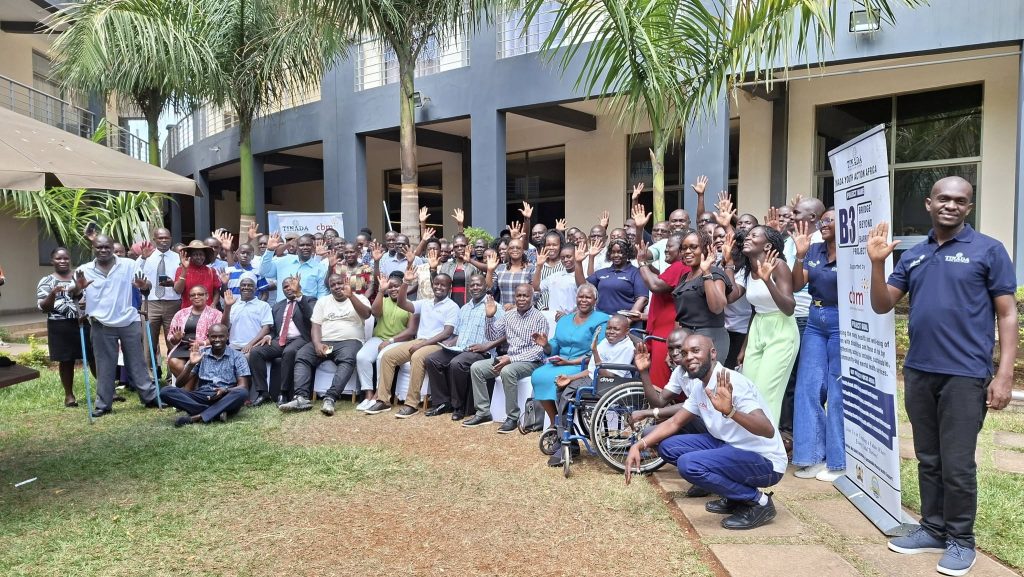
IFS Africa creates a regional space where locally rooted organisations, representative networks, practitioners and community leaders can connect across countries and learn from one another.
The regional network aims to:
- strengthen relationships between IFS members and Associate Members across Africa
- support the exchange of community-based knowledge, experience and practice
- encourage cooperation between organisations responding to shared challenges
- increase African participation and leadership within the wider IFS Global Network
- bring African community perspectives into regional and international discussions
- support community-led approaches grounded in social justice, human rights and local participation
IFS Africa recognises the diversity of communities, cultures and approaches across the continent. Its role is not to promote a single model, but to create opportunities for members to share, learn and act together.
Areas of Regional Interest
The work of IFS Africa is shaped by the experiences, knowledge and priorities of participating members.
Areas of shared interest may include:
- community development and locally led action
- poverty, inequality and social exclusion
- community health and wellbeing
- children, young people and families
- migration, displacement and belonging
- informal settlements and inclusive neighbourhood development
- climate resilience and environmental justice
- human rights, democracy and community participation
- organisational sustainability and leadership
- cooperation between community organisations, researchers and representative networks
These areas are not intended to limit the work of IFS Africa. Regional priorities will continue to develop through dialogue with members and participating organisations.
How Members Participate
IFS members and Associate Members can participate in IFS Africa by:
- joining regional meetings and conversations
- sharing news, resources, research and examples of community practice
- contributing to regional learning activities and events
- connecting with organisations working on similar issues
- proposing opportunities for cooperation and exchange
- participating in working groups or collaborative initiatives
- contributing African community perspectives to wider IFS discussions and advocacy
- helping strengthen connections with organisations and networks in countries not yet actively involved
Local organisations that belong to an IFS federation, association or peak body may already receive free Associate Membership.
They can contact their representative body or an IFS Africa Regional Co-Convenor to confirm their connection and ask to receive IFS Africa updates, meeting invitations and information about regional activities.
Regional Meetings and Activities
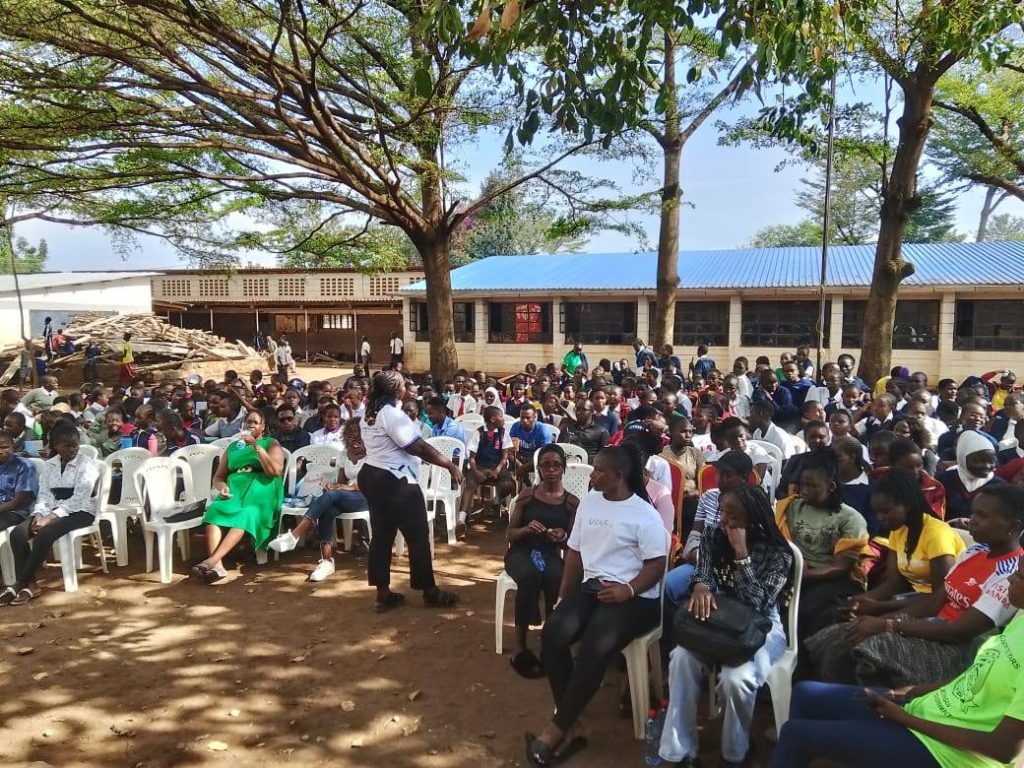
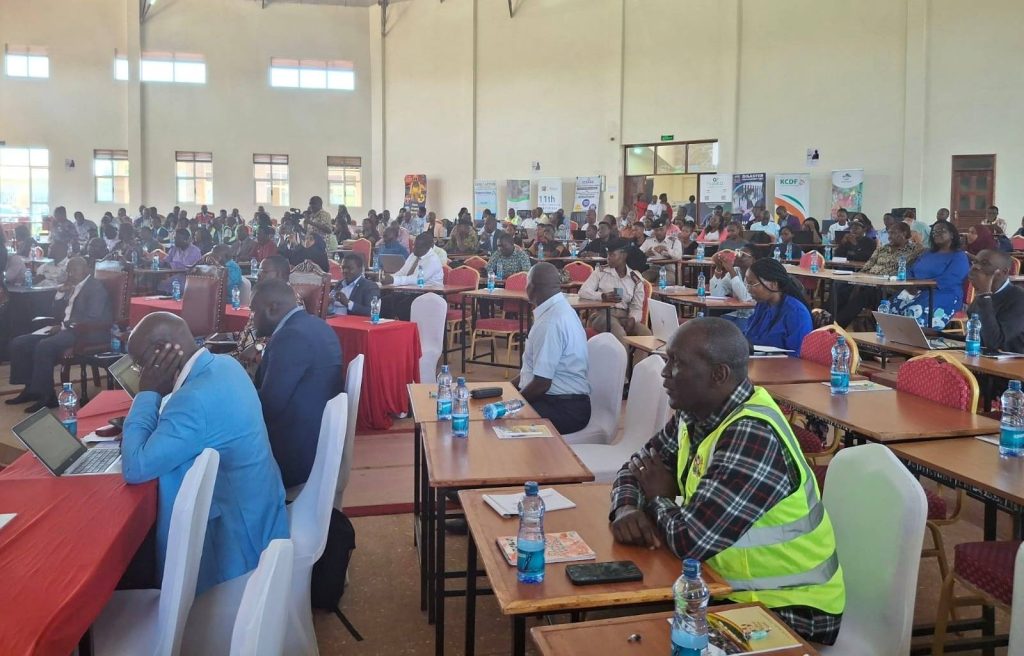
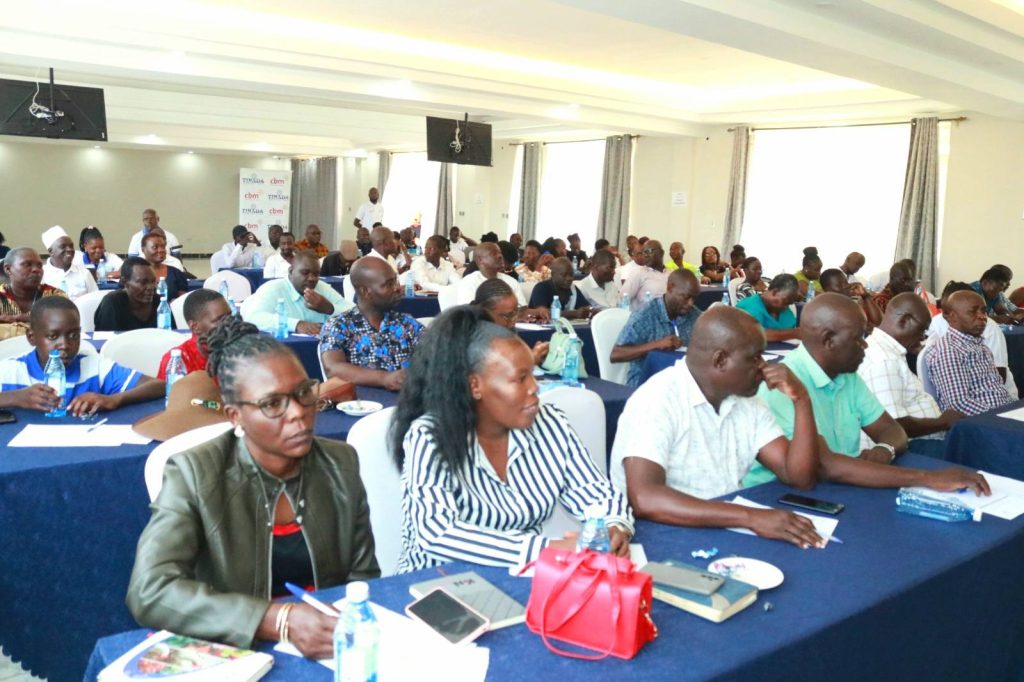
IFS Africa provides opportunities for members and Associate Members to connect through regional meetings, learning activities, conferences and collaborative initiatives.
Activities may include:
- online regional meetings and member conversations
- presentations and exchanges led by African organisations
- regional conferences and in-person gatherings
- workshops and professional learning
- study visits and peer exchange
- collaborative projects and working groups
- contributions to IFS global conferences and activities
- regional input into international advocacy and United Nations engagement
Meeting schedules and activities are developed with participating members and communicated through IFS Africa updates and the wider IFS network.
Members are encouraged to suggest discussion topics, share examples of community-led practice and propose opportunities for regional cooperation.Regional Leadership
IFS Africa is jointly convened by two Regional Co-Convenors, who also serve as Vice Presidents of IFS.
-
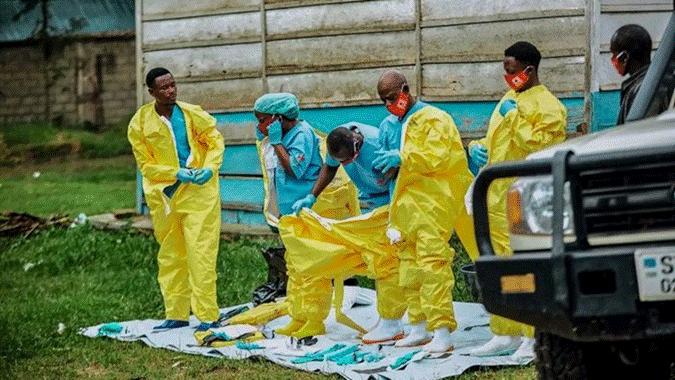
COPAD GRANDS-LACS Shares Rapid Ebola Assessment
COPAD GRANDS-LACS shares a rapid field assessment on the evolving Ebola outbreak in eastern DRC, highlighting community-rooted prevention priorities, challenges on the ground, and the crucial role of local leadership.
-
Blog | Event | IFS Africa
Regional Mental Health Conference 2026 to Take Place in Kisumu, Kenya
The International Federation of Settlements (IFS) is pleased to announce the Regional Mental Health Conference 2026, taking place on 29–30 September 2026 in Kisumu, Kenya. Hosted by TINADA Youth Action Africa, the conference will explore the theme: “Voices of Experience, Empowering Healing: Advancing Community-Led Mental Health, Inclusion, and Resilient Wellbeing.” The conference will bring together…
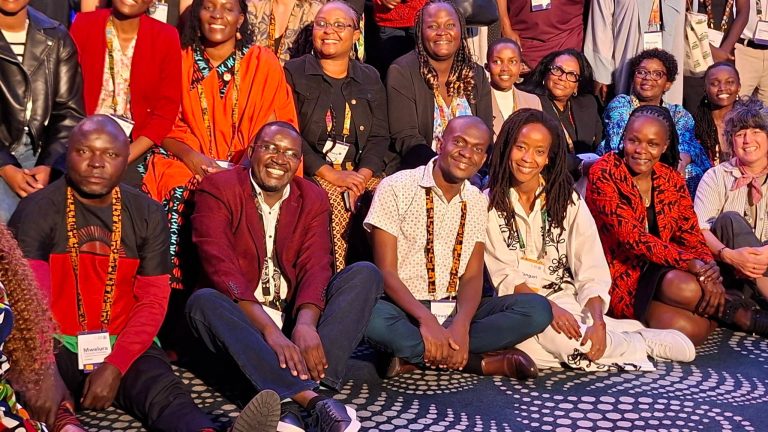
Roy Douglas Otieno
Regional Co-Convenor, IFS Africa
Vice President, IFS
Executive Director, TINADA Youth Action Africa
Email: roydouglas88@gmail.com
Professor Sunday Ibobor
Regional Co-Convenor, IFS Africa
Vice President, IFS
University of Benin
Founder and Director, Umuebu Neighbourhood House Centre for Community Development
Email: sunday.ibobor@uniben.edu
To learn more about IFS Africa, connect your organisation with the regional network, or participate in regional meetings, activities and events, contact either Regional Co-Convenor.
