IFSJ Study visit 2023 France – Report and testimonies
10 / 05 / 2023
IFS Study Visit France 2023 by Sophie Michelena, national coordinator (FCSF)
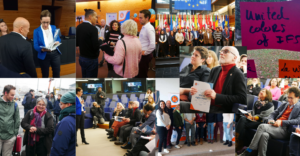
We had a busy but fun week in March in Brittany with our 8 European visitors. Our study theme was outreach work and mobile social centres, so we travelled in our minibus to 3 different cities over 4 days, visiting many projects inside centres and meeting many volunteers and residents in public spaces along the way.
The Federation of Social Centres in Brittany prepared a fantastic programme to observe the various means of reaching out to people where they are, and the tools used by different social centres to do this work. The learning objectives were about understanding the importance of outreach work in rural areas and priority neighbourhoods, and the necessity of not simply waiting for people to come into our centers.
We also wanted our visitors to understand more about how the French network is organised, how the support mechanisms work, the values of our French network, how social centers work closely with local and national institutions and about the culture in France: food and “convivialité” were often mentioned and on display!
We even had a week of strikes and public demonstrations, which affected our travel for instance. Still, we think the visit was highly successful, given the feedback received from the participants.
Testimonies by participants
The social center comes into the neighborhood with their tool and first of all pushes something like dealers away from the area and also some neighbors are getting some coffee and can connect to other neighbors and even though other neighbours might not attend there is still a bit more connection between neighbours and a feeling of being cared about and less crimes in the area which everyone is benefiting from. Natalie, Germany.
This I believe has a positive effect on their political choices in the sense that people who feel heard and seen are less prone to fall for more right wing politicians. And this keeps the spirit of inclusivity and togetherness alive in a broader sense. So everybody is an indirect beneficiary of the social work that is done. Davor, The Netherlands.
Most important for me was that social centres go out and seek new innovative activities to reach out to people who usually don’t participate or act. Outreach activities are not organised to lure people to social centres, but to engage with local people and enhance conviviality in neighbourhoods. The employees and volunteers are truly interested in meeting the people and listening to their worries and thoughts. Regularity and consistency are essential for local people’s trust. Laura, Finland.
The thing that surprised me the most is funding. Local town councils and elected officials work with social centres and help with funding. Also, the national government plays an integral role in funding those 5-10-year projects. Municipalities and the national government need to work together to make the region, cities, and small towns a great place to live. Local people are aware of local problems, and their voices need to be heard more. This [outreach work] can also help the municipality be more active and know the high-priority neighbourhoods better. Nefeli, Greece.
I will present the ideas of management and the board, which consists of local people. For me, this model of management was terrific – the local people make the decisions about the strategy, and employees facilitate and carry out the activities alongside the volunteers. Our new strategy requires us to go more among the local people in the most fragile neighbourhoods. The outreach activities we were presented during the study visit came to my organisation and me at the right time. We need new ideas on how to engage people in different activities and enhance conviviality, and, in the long run, how to strengthen local democracy. Laura, Finland.